
Oral Surgery Aftercare: Essential Steps to Avoid Dry Socket
Recovering from oral surgery doesn't have to be stressful, especially when you understand the steps that help ensure a smooth healing process. One of the most important priorities after a tooth extraction is preventing dry socket, a painful complication that can delay recovery.
At Rivanna Dental Care in Charlottesville, Dr. Tommy Duong and our compassionate team combine advanced technology and a patient-first approach to guide you through every step of the healing process with clarity and care.
What Is Dry Socket and Why Should You Avoid It?
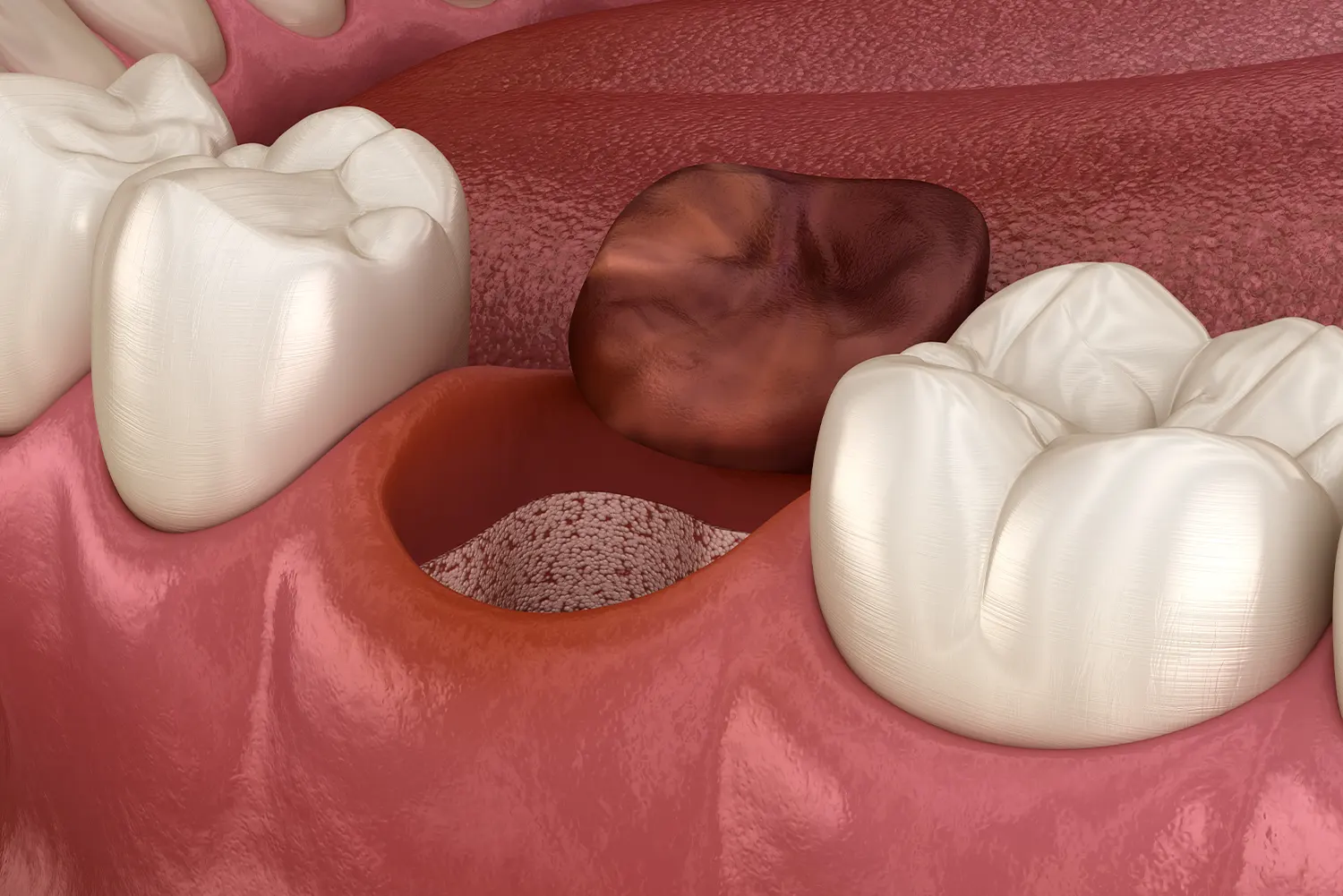
Dry socket (alveolar osteitis), occurs when the blood clot at the site of a tooth extraction becomes dislodged or fails to form properly. This clot is essential to the healing process. It acts as a protective “scaffold” over the bone and nerve endings as your mouth heals.
If the clot is lost too soon, the area is exposed, which can result in severe pain and potential infection. To avoid dry socket, it's crucial to understand the common triggers:
- Smoking or using straws too soon after surgery
- Rinsing or spitting forcefully during the initial recovery period
- Touching the extraction site with your tongue or fingers
- Poor oral hygiene following the procedure
Dr. Duong and the team always walk you through these details before and after your procedure to ensure you're confident and comfortable with your aftercare plan.
Proven Tips to Prevent Dry Socket
Our patient-centered philosophy at Rivanna Dental Care means your recovery is never left to chance. With the help of modern digital planning tools and thorough aftercare guidance, we make healing as seamless as possible. Below are key strategies we recommend to prevent dry socket:
- Follow post-op instructions carefully: Every mouth heals differently, and our recommendations are personalized just for you.
- Avoid tobacco for at least 72 hours: The chemicals and suction involved in smoking can drastically increase your risk.
- Use gauze as directed: Bite gently to help form a stable blood clot, replacing gauze as instructed.
- Rest and take it easy: Strenuous movement can dislodge the clot. Extended rest helps your body focus on healing.
How to Care for Your Healing Site
Keeping the extraction area clean, without disrupting the blood clot, is key. At our practice, we emphasize gentle yet effective home care techniques to help reduce inflammation and promote healing. Here's how to care for the site safely:
- Brush carefully: Avoid the extraction site but maintain good oral hygiene in surrounding areas to prevent infection.
- Use lukewarm salt water rinses: After 24 to 48 hours, gently rinse to keep the mouth clean, without swishing or spitting forcefully.
- Avoid chewy, crunchy, or spicy foods: Stick to soft foods that won’t irritate the healing site.
Thanks to our intraoral scanning and modern diagnostic tools, we also monitor healing with greater precision, ensuring complications are caught early if they arise.
When to Call Your Dentist
While a certain amount of discomfort is normal after dental surgery, escalating or persistent pain may signal an issue like dry socket. Our patients appreciate that they can always count on honest, accessible care from a dentist who listens. Reach out to us if you experience:
- Severe or increasing pain 2-3 days after surgery
- An unpleasant taste in the mouth or noticeable bad breath
- Visible bone or an obviously missing blood clot at the extraction site
Dr. Duong and the team at Rivanna Dental Care are here for you, even after your procedure. Whether you’re a new patient or returning to dental care after time away, we’re committed to providing judgment-free, expert support every step of the way.
Compassionate Dental Surgery Support in Charlottesville
If you’re planning an extraction or recovering from one and want to learn more about preventing dry socket, Rivanna Dental Care in Charlottesville is ready to help. Our modern approach combines digital precision, comprehensive care, and a supportive environment designed with your comfort in mind. Call (434) 974-6492 today to schedule your appointment and experience what truly patient-centered dentistry feels like.






.jpeg)

